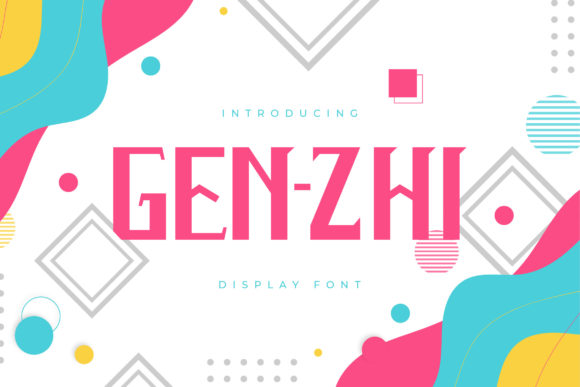
Genzhi: The Cute & Natural Display Font for Campaign Graphics
I was halfway through designing a social media launch campaign for a new wellness product when I realized the visuals weren’t landing the way I hoped. The message was warm and inviting, but the design felt flat. That’s when I remembered Genzhi—a script handwritten font I’d seen in a designer’s toolkit and instantly loved for its soft, human feel. I dropped it into the main headline of the hero graphic, and the difference was immediate. The text looked like it had been written with care, not just typed. That’s the power of choosing the right font.
Genzhi for Instagram Quotes and Pinterest Promotions
When you're building a content calendar for Instagram or Pinterest, every visual needs to stand out in a fast-scrolling feed. That’s where Genzhi shines. As a script handwritten font, it brings a personal touch that feels authentic—perfect for quote graphics, motivational posts, or product launch announcements. I used it to design a series of quote-based Pinterest pins for a wellness brand, and the response was noticeably warmer than when I used more formal display fonts.
Because Genzhi is a natural-looking font, it works best for short, impactful messages. Think of using it in:
- Instagram story headers
- Pinterest pin titles
- Reels cover art
- Quote overlays on video thumbnails
It’s not meant for long paragraphs, but as a headline or callout, it adds a soft, expressive layer that elevates your design from basic to branded.
Genzhi in Logo Design and Branding Materials
One of the most powerful uses of Genzhi is in early-stage brand identity work. If you're designing a boutique brand, a soft skincare line, or a cozy home goods collection, this font can serve as the emotional anchor of your visual language. I used it for a small candle brand’s packaging design mockup, and it gave the label a handcrafted, boutique feel that stood out against mass-produced competitors.
As a script handwritten font, Genzhi isn’t just decorative—it communicates warmth, sincerity, and approachability. That makes it ideal for:
- Logo design (especially for startups and lifestyle brands)
- Business cards and stationery
- Brand mood boards and lookbooks
Just remember to pair it with a clean sans-serif or serif for body text to maintain readability and balance.
Genzhi for YouTube Thumbnails and Social Media Ads
In digital ads and video thumbnails, legibility is king. You only have seconds to catch attention in a feed or on a video shelf. That’s why I was surprised how well Genzhi performed in thumbnail designs—when used thoughtfully. It’s a display font, so it works best when given space and contrast.
For a webinar promotion campaign, I used Genzhi for the main title on the thumbnail, paired with a bold sans-serif for the supporting text. The soft curves of the script handwritten font contrasted beautifully with the strong, clean structure of the sans-serif, creating a visual hierarchy that guided the eye naturally.
Here’s how to use Genzhi effectively in thumbnails and ads:
- Use it for short headlines or call-to-action text
- Ensure strong contrast against the background
- Limit use to one or two lines of text
- Test for visibility on mobile screens
Genzhi for Wedding Invitations and Greeting Cards
One of the most classic use cases for Genzhi is in greeting cards and event invitations. As a script handwritten font, it has the elegance and warmth that make it perfect for celebrations. I recently helped a client design a digital wedding invitation suite and used Genzhi for the couple’s names and event title. It gave the design a soft, romantic tone that matched the floral layout perfectly.
Whether you're designing for print or digital delivery, Genzhi brings a sense of intimacy and craftsmanship. It’s ideal for:
- Wedding and baby shower invites
- Thank-you cards and holiday greetings
- Personalized brand postcards
Its natural curves and soft strokes make it feel like a handwritten message, even when it’s perfectly typeset.
Font Pairing Tips with Genzhi
Because Genzhi is a decorative font, it needs a strong supporting cast to balance its personality. I often pair it with minimalist sans-serif fonts like Montserrat or Lato for body text, subheadings, or button labels. This creates a modern contrast while keeping the overall design approachable and clean.
For more editorial-style layouts, try combining Genzhi with a serif font like Playfair Display or Georgia. This works especially well for:
- Blog headers and featured quotes
- Email banners and newsletter titles
- Webinar landing page headers
Remember: the goal is to let Genzhi shine without overwhelming the layout. Use it for accents, headlines, and key messaging, and keep the rest of the typography simple and structured.
Checking Genzhi’s Technical Features Before Use
Before diving into a full campaign using Genzhi, always check the font’s technical specs. As with any font used in commercial work—whether it’s for digital ads, branded templates, or merchandise—you should confirm:
- Included styles (bold, italic, alternates)
- Ligatures and stylistic sets
- Supported languages and character sets
- Commercial licensing terms
Most high-quality fonts come with OpenType features that let you customize the look—swashes, ligatures, and alternate glyphs can add a unique touch to your headlines. Just make sure your design software supports these features before using them in production files.
Why Genzhi Works for Digital Campaigns
At the end of the day, what makes Genzhi such a powerful tool in a marketer’s kit is its emotional resonance. In a world of polished, algorithm-driven content, a script handwritten font like Genzhi brings a sense of humanity and warmth that cuts through the noise.
It’s not just about aesthetics—it’s about clarity, connection, and creating visuals that feel like they were made with care. Whether you're designing a font-based quote graphic, a branded poster, or a digital ad, Genzhi helps your message land with a little more heart.